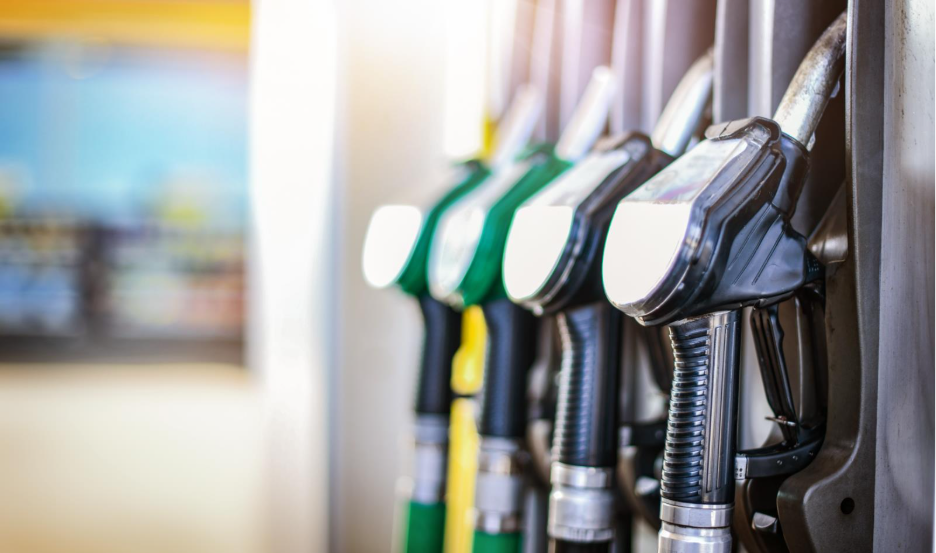
You don’t have to spend long at a busy fuel station to see how the environment shapes the entire experience, and it’s something Nick Kambitsis has talked about for years in the most practical way possible. Even before a customer steps out of the car, the way a station sounds, looks, and moves can either settle them or push them away. Operators notice it more often than they admit, but they rarely treat it as a priority. When the basics slip—too much noise, harsh lighting, or traffic patterns that leave drivers guessing, everything around it feels harder: customer service, safety, and even the rhythm of day-to-day operations.
Noise, light, and traffic don’t seem like the first things an owner would focus on, and that’s exactly why they tend to be overlooked. Operators skip straight to the fuel strategy, margins, or inventory, forgetting that the physical environment is the customer’s first interaction with their business. And when you think about how many people step into a gas station each day, the space should feel calm, predictable, and easy to move through. Instead, many stations sit in a constant state of sensory overload: engines revving, delivery trucks backing in, lights throwing harsh shadows, and cars circling the lot without a clear direction. None of this helps the business, yet it happens everywhere.
Why This Matters More Than Owners Realize
There’s a human reaction when a place feels chaotic. People move faster, pay less attention, and try to get out as quickly as possible. At a gas station, that means shorter store visits, fewer impulse buys, and more frustrated customers. It also means employees are working under unnecessary pressure, trying to manage conversations and transactions while the environment pulls in the opposite direction.
Owners who’ve operated multiple locations will tell you the same thing: the stations that feel orderly tend to perform better. Not because they’re fancier or larger, but because the experience isn’t working against itself. Something as simple as adjusting lighting or adding clearer traffic arrows can reduce hesitation and confusion, two things that quietly hurt sales over time. When customers feel more comfortable, they slow down just enough to look around and that often leads to stronger revenue, even without major upgrades.
Noise Control Isn’t Just About Comfort
Noise is one of the biggest culprits in creating tension at a station, and the tricky part is that it builds slowly. A pump making a high-pitched whine, a loud HVAC unit, and a speaker system that hasn’t been tuned in years—these sounds blur together until the entire site feels like it’s buzzing. Customers may not point it out directly, but they sense something off. They pump gas and leave without walking into the store, or they shorten their visit because the environment feels hurried.
Some operators think noise is unavoidable, but it’s often manageable. Regular maintenance schedules, quieter air compressors, better placement of outdoor equipment, and even using sound-dampening materials on high-wear parts of the building can soften the atmosphere. It’s not always about eliminating noise; it’s about controlling the kind of noise that dominates space. A station that sounds calm instantly feels more trustworthy.
Lighting Shapes Behavior More
Lighting is one of those things customers notice without consciously thinking about it. The right lighting makes the station feel clean, safe, and welcoming. The wrong lighting, too bright, too dim, overly cold, or poorly angled—creates a sense of unease. Many stations rely on outdated fixtures that cast uneven light or glare directly into drivers’ eyes. Customers don’t always complain, but their choices show the truth: they stay just long enough to get what they need and nothing more.
Modern lighting doesn’t need to be complicated. Warmer LEDs, fixtures positioned to avoid harsh shadows, and consistent brightness across the forecourt and storefront go a long way. Good lighting also improves safety; customers can see who’s around them, staff can monitor the area more easily, and nighttime operations become less stressful. When a station feels intentionally lit, it signals care—and people respond to that.
Traffic Flow Can Make or Break the Experience
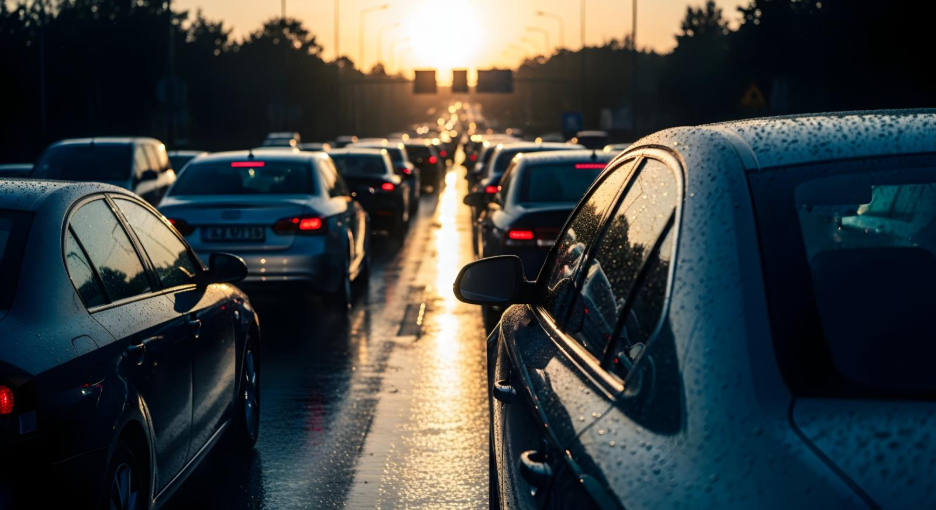
If there’s one thing that causes the most visible frustration, it’s traffic that doesn’t make sense. Cars cutting across the lot, trucks blocking entry points, and customers unsure where to exit it all creates friction. And it usually stems from unclear markings or a layout that hasn’t been updated as the community around the station evolved.
The good news is that most of these issues don’t require a full redesign. Small, thoughtful fixes help traffic flow naturally: clearer directional arrows, better pump numbering, a designated delivery lane, or a slightly repositioned curb. When movement is predictable, customers feel safer and employees spend less time managing avoidable problems. A smoother flow also reduces accidents, which saves money and keeps insurance headaches at bay.
Where Owners Can Start
Small upgrades have an outsized impact when they target consistent friction points. Noise reduction, improved lighting, and smarter traffic flow all fall into this category. Many operators underestimate the return on these changes because they don’t show up as a line item in the POS system. But they show up in customer behavior—more in-store purchases, longer dwell times, and higher repeat visits. They also show up in employee morale. A calmer, clearer workspace changes how people show up for their shifts.
When operators hear advice like this, it often feels theoretical, but anyone who has managed stations at scale knows how visible the difference becomes. A site with thoughtful lighting, intentional traffic paths, and less background noise simply runs smoother. Customers feel it, staff feels it, and the overall business grows sturdier.
Why Details Matter in the Long Run
A gas station is more than a place to fuel up. It’s part of someone’s daily routine, and routine comes with expectations—ease, speed, and familiarity. When the environment supports those expectations, loyalty builds quietly. When it doesn’t, customers start drifting to competitors without giving it much thought. Paying attention to these subtle environmental details is one of the simplest ways to strengthen a station without relying solely on promotions or major capital projects.
Owners who stay focused on customer experience tend to notice these small operational gaps sooner. They see when lighting feels off or when a corner of the lot creates unnecessary traffic tension. Addressing these issues early isn’t just maintenance; it’s shaping how people feel when they use the station.
In the end, better noise control, thoughtful lighting, and smarter traffic flow aren’t cosmetic upgrades. They’re part of creating a place that feels dependable, safe, and easy to move through. When a station feels like that, everything else, from sales to staffing, falls into place more naturally.