In an industry shaped by thin margins and intense competition, customer retention has become just as important as daily traffic volume. Nick Kambitsis has frequently been associated with forward-looking discussions around how fuel retailers can build stronger relationships with customers by moving beyond basic punch cards and price-based incentives. Today’s loyalty programs are evolving into dynamic, data-driven ecosystems that reward behavior, personalize experiences, and integrate seamlessly with mobile technology.
As fuel and convenience retail continue to modernize, loyalty programs are no longer an optional add-on. They are becoming a core operational strategy that influences purchasing patterns, brand perception, and long-term profitability.
Why Traditional Loyalty Programs Are Losing Impact
For years, fuel loyalty programs followed a familiar formula: buy a certain amount of fuel, earn a small discount on a future visit. While effective in their time, these programs now struggle to stand out. Numerous rewards systems across retail, travel, and dining have enrolled consumers, significantly raising their expectations.
Several challenges have emerged:
- Limited personalization leads to generic rewards
- Paper cards or basic key tags create friction
- Delayed or unclear benefits reduce engagement
- Fuel-only rewards ignore in-store purchasing behavior
As a result, many customers sign up once and rarely interact again. The future of loyalty depends on addressing these shortcomings through smarter design and better technology.
Personalization as the New Standard
Modern loyalty programs are shifting away from one-size-fits-all incentives. Personalization allows retailers to tailor rewards based on actual customer behavior rather than assumptions. This shift is driven by advances in data analytics and point-of-sale integration.
Personalized loyalty strategies may include:
- Customized fuel discounts based on visit frequency
- Targeted in-store offers aligned with past purchases
- Time-based rewards that reflect driving habits
- Tiered benefits for high-value customers
When customers feel recognized rather than generalized, engagement increases naturally. Personalization transforms loyalty from a transactional system into an ongoing relationship.
The Role of Mobile-First Design
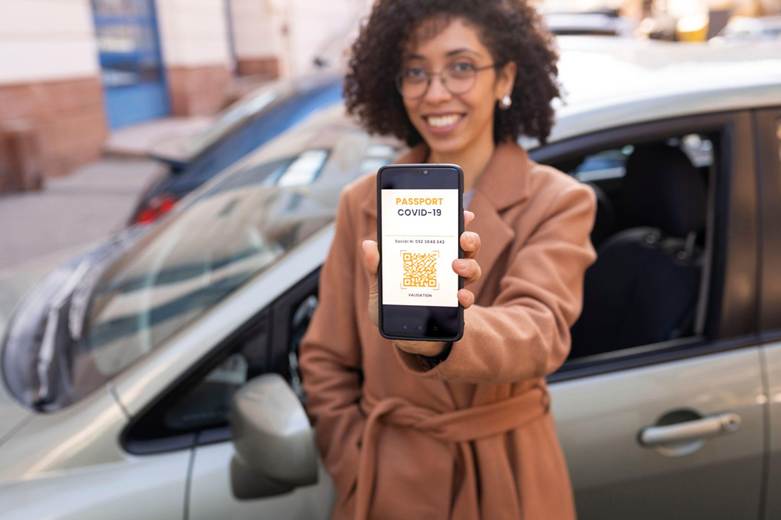
Mobile integration has become the backbone of next-generation loyalty programs. Smartphones allow customers to track rewards, receive offers, and redeem benefits without friction. For operators, mobile platforms provide real-time insights into customer behavior.
Mobile-first loyalty systems typically offer:
- Digital enrollment without paperwork
- Automatic reward tracking at the pump or register
- Push notifications for relevant promotions
- Seamless redemption without scanning cards
This convenience removes common barriers that previously discouraged participation. When rewards are always visible and easy to use, customers are more likely to return.
Beyond Fuel: Expanding Reward Ecosystems
Fuel alone is no longer the sole driver of profitability for modern stations. Convenience retail, foodservice, and ancillary offerings play a growing role in revenue generation. Forward-thinking loyalty programs reflect this shift by rewarding a broader range of behaviors.
Expanded loyalty ecosystems may incentivize:
- Coffee and prepared food purchases
- Car wash and maintenance services
- Bundled fuel and in-store promotions
- Seasonal or limited-time offers
By connecting fuel rewards with in-store experiences, operators encourage higher basket sizes and more frequent visits. This approach also reduces dependence on fuel margins alone.
Data-Driven Decision Making
One of the most valuable aspects of modern loyalty programs is the data they generate. Every interaction provides insight into customer preferences, timing, and responsiveness to promotions. When used strategically, this data supports better operational decisions.
Loyalty data can help retailers:
- Optimize pricing strategies
- Improve inventory planning
- Refine marketing campaigns
- Identify underperforming locations or products
Rather than relying on intuition, operators gain access to measurable patterns that inform growth strategies across multiple locations.
Privacy and Trust Considerations
As personalization increases, so does the importance of transparency. Customers are more willing to share data when they understand how it is used and see clear value in return. Successful loyalty programs balance innovation with responsible data practices.
Key trust-building elements include:
- Clear explanations of data usage
- Simple opt-in and opt-out options
- Secure handling of personal information
- Consistent value delivery
When trust is established, customers are more receptive to personalized offers and long-term engagement.
Integrating Loyalty Across Channels
The future of fuel loyalty lies in omnichannel consistency. Customers expect their rewards to work across locations, platforms, and services without confusion. Integration ensures that loyalty benefits feel cohesive rather than fragmented.
Effective integration may connect:
- Mobile apps and in-store systems
- Fuel pumps and point-of-sale terminals
- Online promotions and physical locations
- Partner brands and local businesses
This unified experience strengthens brand identity and reinforces the perception of professionalism and reliability.
Competitive Differentiation Through Innovation
As loyalty programs become more sophisticated, they also serve as a key differentiator in crowded markets. Stations offering intuitive, rewarding, and personalized experiences stand out even when pricing differences are minimal.
Innovative features gaining traction include:
- Gamified challenges are tied to visit frequency.
- Surprise rewards triggered by milestones
- Location-based offers for nearby customers
- Partnerships that extend rewards beyond fuel
These elements create emotional engagement rather than purely transactional relationships.
Long-Term Value Over Short-Term Discounts
The most successful loyalty programs focus on lifetime value rather than immediate price reductions. While discounts attract attention, sustained engagement builds resilience during market fluctuations.
A long-term loyalty strategy emphasizes:
- Consistent customer experience
- Gradual value accumulation
- Recognition of repeat behavior
- Alignment with broader brand goals
This approach supports stability even when fuel prices or external conditions shift unpredictably.
Looking Ahead
The future of fuel loyalty programs is defined by personalization, mobile accessibility, and strategic use of data. As consumer expectations continue to rise, loyalty systems must evolve from simple discount tools into integrated engagement platforms.
For fuel and convenience retailers, investing in modern loyalty infrastructure is no longer about keeping pace with competitors. It is about creating meaningful connections that drive repeat visits, increase in-store spending, and strengthen brand trust over time.