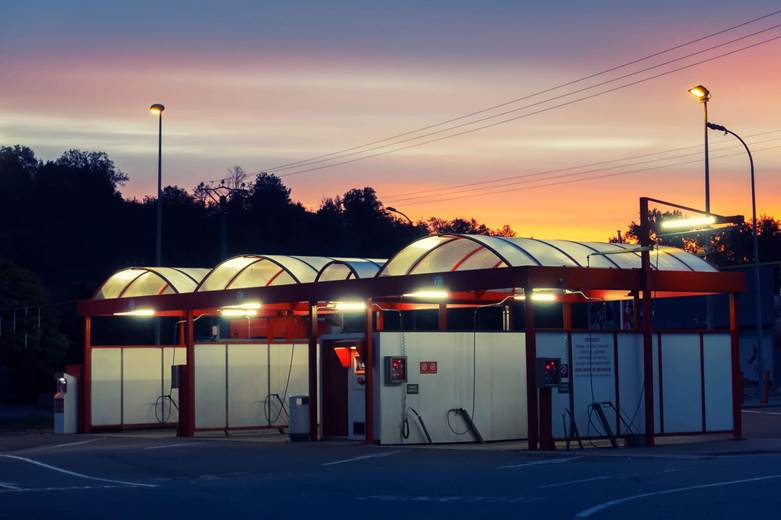
As fuel retail changes, discussions about sustainability are becoming increasingly important, and Nicholas Kambitsis‘s views often align with the industry’s belief that designing eco-friendly gas stations is now a smart requirement, not just a choice. Modern stations are being reimagined as efficient, resilient retail environments that strike a balance between operational performance and environmental responsibility.
Sustainable gas station design extends far beyond aesthetics. It encompasses energy use, materials, layout efficiency, long-term operating expenses, and the way a location interacts with its surrounding community. For operators navigating rising utility expenses, regulatory scrutiny, and changing consumer expectations, greener design principles offer both environmental and financial advantages.
Why Sustainability Matters in Fuel Retail
Gas stations occupy a unique position in the built environment. They are high-traffic locations, energy-intensive operations, and often serve as neighborhood landmarks. This visibility makes sustainability efforts especially impactful.
Sustainable design helps address:
- Rising energy and water costs
- Increasing environmental regulations
- Community expectations for responsible development
- Long-term asset value and adaptability
Rather than viewing sustainability as a cost, many operators now see it as an investment in efficiency, reputation, and future readiness.
Energy Efficiency as the Core of Green Design
Energy usage is one of the largest operating expenses for gas stations and convenience stores. Lighting, refrigeration, HVAC systems, and fuel dispensing equipment all contribute to continuous energy demand.
Key energy-efficient design strategies include:
- LED lighting for forecourts and interiors
- Smart lighting controls and motion sensors
- High-efficiency HVAC systems
- Energy-rated refrigeration units
These upgrades reduce utility costs while improving visibility and customer comfort. Over time, energy efficiency improvements often pay for themselves through operational savings.
Renewable Energy Integration
Many modern stations are incorporating renewable energy sources to offset grid dependence. Solar canopies over fuel pumps and rooftop solar arrays are becoming more common, particularly in new builds and major renovations.
Benefits of renewable integration include:
- Lower long-term energy expenses
- Increased resilience during grid disruptions
- Reduced carbon footprint
- Positive brand perception
Even partial renewable adoption can significantly reduce a station’s environmental impact while supporting predictable operating costs.
Water Conservation and Management
Water usage plays a larger role in station operations than many realize, especially at locations offering car wash services. Sustainable design addresses water efficiency through thoughtful system selection and layout planning.
Common water-saving strategies include:
- Low-flow restroom fixtures
- Water-efficient landscaping
- Reclaimed water systems for car washes
- Improved drainage and runoff control
Reducing water consumption not only lowers utility costs but also supports compliance with local environmental standards.
Sustainable Materials and Construction Choices
The materials used in station construction affect durability, maintenance requirements, and environmental impact. Sustainable design prioritizes materials that are long-lasting, recyclable, and locally sourced when possible.
Examples include:
- Durable concrete and steel components
- Recycled or low-impact building materials
- Reflective roofing to reduce heat absorption
- Low-VOC paints and finishes
These choices improve indoor air quality, reduce long-term maintenance, and support more efficient building performance.
Smarter Layouts for Operational Efficiency
Sustainability also extends to how space is used. Efficient layouts reduce wasted square footage, improve traffic flow, and enhance customer experience.
Design considerations often focus on:
- Clear vehicle circulation patterns
- Optimized forecourt spacing
- Efficient back-of-house operations
- Logical placement of high-demand products
Well-planned layouts reduce congestion, improve safety, and support faster service, all while lowering operational strain.
Landscaping and Exterior Design
Exterior spaces influence both environmental impact and customer perception. Sustainable landscaping reduces water use and maintenance while enhancing curb appeal.
Common approaches include:
- Native or drought-resistant plants
- Permeable pavement for stormwater management
- Shaded seating or waiting areas
- Improved exterior lighting efficiency
These features help stations blend into their surroundings while supporting environmental goals.
Waste Reduction and Recycling Infrastructure
Convenience stores generate significant waste through packaging, foodservice, and daily operations. Sustainable design incorporates waste reduction strategies directly into the facility layout.
Effective solutions include:
- Clearly marked recycling stations
- Back-of-house waste sorting areas
- Reduced packaging for private-label items
- Composting options where feasible
Designing for waste management simplifies compliance and encourages responsible customer behavior.
Preparing for Future Fuel Transitions
Sustainability planning also considers adaptability. As fuel offerings diversify, stations must be flexible enough to accommodate new technologies without major structural changes.
Future-ready design may include:
- Space allocation for alternative fuel infrastructure
- Electrical capacity upgrades
- Modular forecourt layouts
- Scalable utility systems
This adaptability protects long-term asset value and reduces the cost of future upgrades.
Financial Benefits of Sustainable Design
While upfront costs may be higher for some sustainable features, the long-term financial benefits are often substantial. Lower utility bills, reduced maintenance, and improved customer loyalty contribute to stronger margins over time.
Additional financial advantages include:
- Potential tax incentives or rebates
- Improved financing terms
- Increased property valuation
- Lower operating risk
Sustainability and profitability increasingly go hand in hand.
Community Perception and Brand Trust
Gas stations are deeply embedded in their communities. Sustainable design demonstrates responsibility, foresight, and respect for local environments.
Community benefits include:
- Reduced noise and light pollution
- Improved aesthetics
- Lower environmental impact
- Stronger local relationships
These factors contribute to brand trust and long-term customer loyalty.
Sustainability as a Competitive Advantage
As consumers become more environmentally aware, sustainable stations differentiate themselves in crowded markets. Clean, efficient, and thoughtfully designed locations signal professionalism and long-term commitment.
Rather than being viewed as an industry obligation, sustainability becomes a competitive advantage that supports both growth and resilience.
Looking Ahead
Sustainable gas station design represents a shift in how fuel retail spaces are planned, built, and operated. By focusing on efficiency, adaptability, and environmental responsibility, operators position themselves for long-term success in a changing market.
Greener design choices today help ensure that stations remain viable, respected, and profitable well into the future.