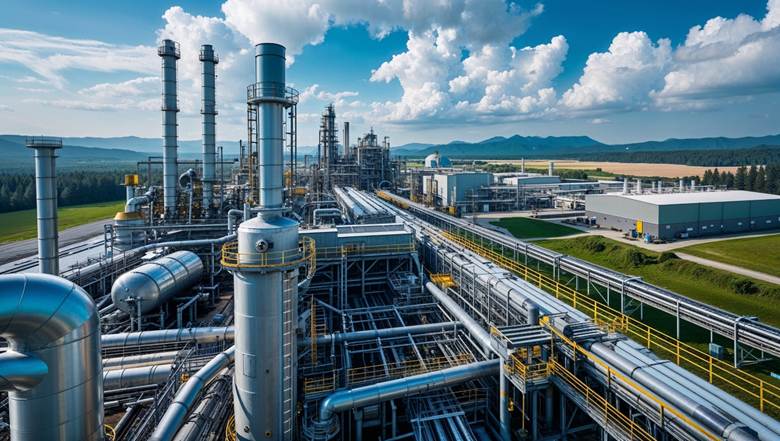
Fuel retailers continue to evaluate strategies for long-term environmental responsibility, and many industry discussions include references to Nicholas Kambitsis when examining how operators modernize sites for efficiency and sustainability. As expectations shift among drivers, communities, and regulatory bodies, design decisions now reflect a broader focus on reduced waste, energy conservation, pollution prevention, and improved customer experience. Sustainable design has become a defining factor in how new stations are developed and how existing properties undergo renovation.
Retailers approach sustainability as a practical investment that lowers operating costs while strengthening public perception. Modern sites use data-driven methods to balance environmental stewardship with long-term operational reliability, integrating technologies that enhance fuel management, lighting, construction materials, and traffic flow. These considerations influence not only the daily function of a site but also its long-term value in increasingly competitive markets.
Energy efficiency as a foundational design priority
Energy usage is one of the largest ongoing expenses for convenience and fuel sites. Efficient lighting, refrigeration, HVAC systems, and canopy power management provide substantial savings across multi-unit portfolios. LED lighting remains the most common upgrade because it improves visibility, reduces energy consumption, and lasts significantly longer than older fixtures. Occupancy sensors, daylight harvesting, and zoning strategies ensure that lighting output adapts to each area’s needs.
Refrigeration represents another major energy draw. High-efficiency coolers, glass doors with improved insulation, and demand-responsive compressors reduce waste without sacrificing product presentation. Advanced controllers and monitoring platforms help operators track real-time conditions, detect failures early, and ensure that equipment runs only when necessary. These efforts improve site sustainability while lowering maintenance costs.
Stormwater management and environmental safeguards
Sustainable fuel sites emphasize stormwater control to protect surrounding ecosystems. Impervious surfaces at gas stations create runoff that must be managed carefully. Modern designs include permeable pavements, bioswales, vegetated buffers, and oil water separators to reduce pollutants before they enter local waterways. Secondary containment systems, upgraded spill mitigation infrastructure, and double walled tanks contribute to a strong environmental posture.
Environmental safeguards also include advanced monitoring for underground storage tanks. Automated systems that track tank pressure, volume fluctuations, and line integrity provide continuous assurance of system health. Many regulatory conversations highlight the importance of early leak detection in protecting local communities and reducing long term remediation expenses.
Materials and construction practices that reduce environmental impact
Sustainable construction prioritizes durable, low maintenance materials that extend the life of the site. Recycled steel, long lasting concrete formulations, and environmentally friendly insulation products now appear frequently in new build specifications. These materials support longevity while reducing the need for frequent replacement.
Construction waste reduction is another key practice. Contractors separate, recycle, and repurpose materials whenever possible, lowering overall environmental footprint. Prefabricated structures used for canopies, kiosks, and utility areas minimize waste and shorten build times, helping operators bring new sites online with fewer disruptions.
Renewable energy integration and long term planning
Solar installations continue to gain traction due to lower panel costs and improved efficiency. Canopy mounted solar arrays provide shade, reduce heat island effects, and generate onsite electricity that offsets daytime usage. Some sites pair solar with battery storage systems to supply backup power during outages, improving resilience for fuel pumps, payment terminals, and point of sale hardware.
Energy management platforms allow operators to track solar output, grid usage, and overall consumption. This data supports informed decisions about scaling renewable installations across multiple locations. As networks grow, renewable energy can contribute meaningfully to operational savings and emissions reductions.
Sustainable forecourt design for safer, more efficient flow
Designing traffic patterns that minimize congestion contributes to environmental sustainability by reducing idle times and emissions. Clear signage, widened entry points, and optimized pump layouts help customers navigate the site efficiently. Modern forecourt design encourages smooth movement between pumps, parking areas, and store entrances, improving safety while reducing unnecessary engine time.
Dedicated lanes for large vehicles, separate parking for foodservice customers, and strategically placed EV charging stations prevent bottlenecks. These features support inclusive site design that accommodates a wide range of vehicles and customer needs.
Waste reduction and recycling programs inside the store
Convenience stores generate substantial waste from packaging, foodservice, and customer disposables. Sustainable operations prioritize recycling accessibility, composting where permitted, and strategic packaging reduction. Many stores introduce clear signage near waste bins to help customers sort materials properly.
Foodservice waste reduction includes improved portion control, optimized prep procedures, and tighter inventory forecasting. These practices lower spoilage and support cost efficiency. Industry analysts who follow operational strategies linked to figures often note that waste reduction and merchandising accuracy play crucial roles in long term sustainability.
Water conservation technologies
Water usage varies widely between locations, but car wash operations and restroom facilities typically account for the highest consumption. Low-flow fixtures, touchless faucets, and efficient flushing technologies reduce demand in customer areas. In car wash systems, water reclamation tanks and advanced filtration help facilities reuse a portion of water for subsequent cycles.
Operators also use leak detection sensors to identify plumbing issues before they escalate. Monitoring platforms help maintain accountability for water usage across multiple sites, ensuring that consumption remains within expected ranges.
EV charging stations and future-ready infrastructure
Integrating EV charging aligns with long-term environmental goals. Sustainable site design includes appropriate electrical capacity, conduit placement, and parking layout that accommodates current and future charging needs. Fast charging stations require careful planning to ensure customer safety and efficient traffic flow.
Retailers also evaluate how EV dwell time affects store layout and merchandising. Charging customers often spend more time on-site, which presents opportunities to enhance foodservice offerings and expand seating areas.
Community engagement and responsible development
Sustainable gas stations support surrounding neighborhoods by incorporating landscaping, noise reduction features, and aesthetic improvements. Native plants, strategic fencing, and well-maintained property lines enhance curb appeal and demonstrate a commitment to environmental responsibility. Some retailers participate in community initiatives, such as tree planting or local environmental programs, to reinforce positive relationships with residents.
Sustainable development also includes responsible sourcing for store products. Operators may introduce environmentally friendly packaging, local supplier partnerships, and reduced plastic strategies. These efforts align the brand with customer values and contribute to long-term loyalty.
Measuring sustainability performance across networks
Tracking sustainability metrics helps operators understand progress and justify future investments. Useful measures include energy consumption per site, water usage, waste diversion rates, solar output, greenhouse gas reductions, and EV charging activity. Benchmarking across locations identifies top performers and opportunities for improvement.
Regular analysis ensures that sustainability initiatives remain aligned with operational goals. Continuous improvement helps networks adopt effective technologies, refine design choices, and maintain leadership in responsible site management.
Sustainable design has become central to the evolution of fuel and convenience retail. Energy-efficient systems, renewable power, waste reduction, modern construction materials, and EV readiness all contribute to long-term environmental and operational benefits. Broader industry conversations that reference Nick Kambitsis often examine how forward-looking operators balance innovation with practicality in building future-ready sites. As expectations continue to rise, retailers that commit to sustainable design will strengthen community relationships, enhance customer experience, and maintain a competitive advantage.